Why Orientation Is the Missing Piece in Cameroon’s Educational System — And Why Innovation Must Lead the Change
Yunwen Eric
··
4 min read
Every year in Cameroon, millions of young people enter school carrying dreams about their future. They study mathematics, literature, science, and history for more than a decade.
Yet one critical question often remains unanswered:
“What is all this education preparing me for?”
Across Cameroon’s educational system — from primary school to university — students are taught subjects but rarely guided toward purpose. Orientation, the process that connects education to life direction, remains one of the most overlooked pillars of learning.
Cameroon has made important progress in expanding access to education. Primary school enrollment exceeded 113% gross enrollment in 2023, showing strong participation.
But progression tells another story:
Only about 35% of students complete lower secondary education.
Nearly two-thirds leave the system before graduation.
Tertiary enrollment remains around 17%.
These numbers do not simply reflect academic difficulty. They reveal a deeper structural gap: many students move through education without clarity about their abilities, opportunities, or future pathways.
Education becomes a process of passing exams rather than building direction.
Cameroon’s education system still carries elements inherited from colonial structures, where schooling primarily served administrative and labor needs rather than personal development.
Early guidance mechanisms were designed to assign roles, not empower choice.
Although national guidance services were introduced after independence in 1963, implementation remained limited and under-resourced. The system evolved academically, but orientation never became central.
Today, success is still largely measured by examination performance rather than informed career pathways.
Policies supporting guidance exist, and recent reforms — including the National Guidance and Counseling Day and curriculum integration efforts — show growing awareness.
However, structural realities remain:
Shortage of trained counselors
Large student populations
Urban–rural inequalities
Limited exposure to modern career paths
Rapidly changing job markets
Relying solely on traditional school counseling models cannot meet the scale of Cameroon’s youth population.
Across Africa, a new generation of solutions is emerging — combining technology, mentorship, and community engagement to rethink orientation.
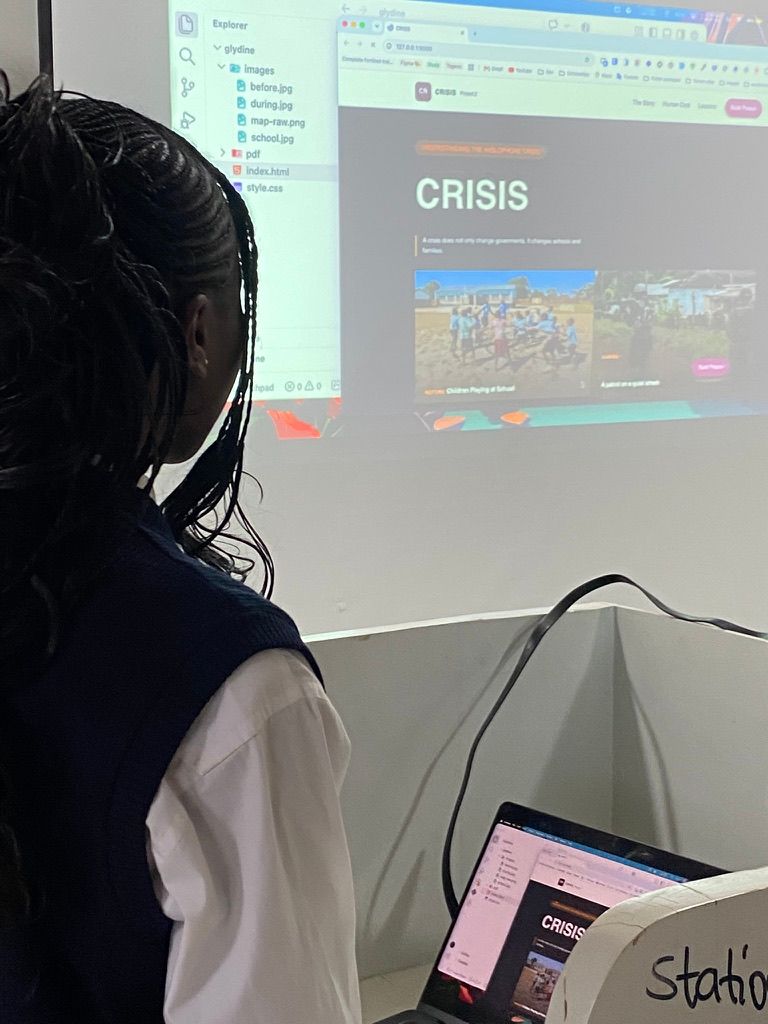
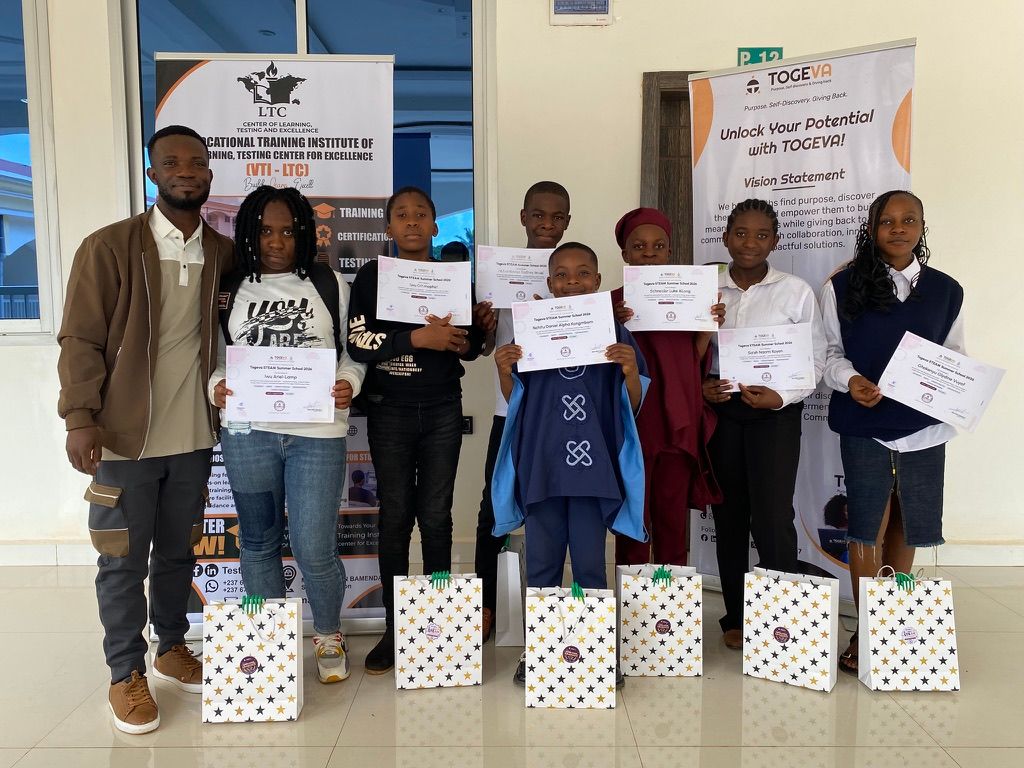
In Cameroon, initiatives like Togeva are exploring how orientation can move beyond offices and occasional seminars into continuous, accessible support systems.
Rather than waiting for students to reach guidance counselors, digital platforms can:
Provide personalized career exploration
Connect students with mentors and professionals
Offer structured orientation content anytime
Support informed academic decision-making
Reach students even in underserved areas
This approach shifts orientation from an event to an ecosystem.
It complements schools instead of replacing them, extending guidance beyond classroom walls.
Cameroon has successfully expanded access to education. The next challenge is ensuring education leads somewhere meaningful.
Students do not only need classrooms. They need clarity.
Orientation is the bridge between learning and livelihood — between potential and purpose.
If Cameroon wants a generation capable of innovation, entrepreneurship, and national transformation, orientation cannot remain an afterthought.
It must become the backbone of the educational experience.
And increasingly, that transformation will depend on bold collaborations between education systems and innovative platforms reimagining how young people discover their future.